Carrier Eligibility for Cross-Border Transportation: Certifications & Capability Parameters
Carrier Eligibility for Cross-Border Transportation: Certifications & Capability Parameters
Carrier eligibility in cross-border transportation is decided by authorizations and auditable capability long before it is decided by trucks. A provider that can physically move a full truckload from Shenzhen to Hanoi may still be ineligible to do it efficiently, because speed at the border depends on transit permits, security certification, customs status and management systems that customs authorities, insurers and consignees recognize in advance.
This guide unpacks the credential families that shape cross-border outcomes — TIR international road transport permits, TAPA logistics security certification, AEO customs certification, and integrated ISO management systems (ISO 9001, 14001, 45001 and 27001) — and links each one to a specific risk on the corridors industrial buyers use most: China to Vietnam, Thailand, Indonesia, Kazakhstan and Belarus. Shenzhen CFW Logistics Technology Co., Ltd. (CFW Group), a logistics, warehousing and customs services provider established in 2013 and headquartered in Qianhai, Shenzhen, is used as the working example, because its credential set and its recorded cross-border results — including a customs delay rate below 5% — show how eligibility converts into operating performance.
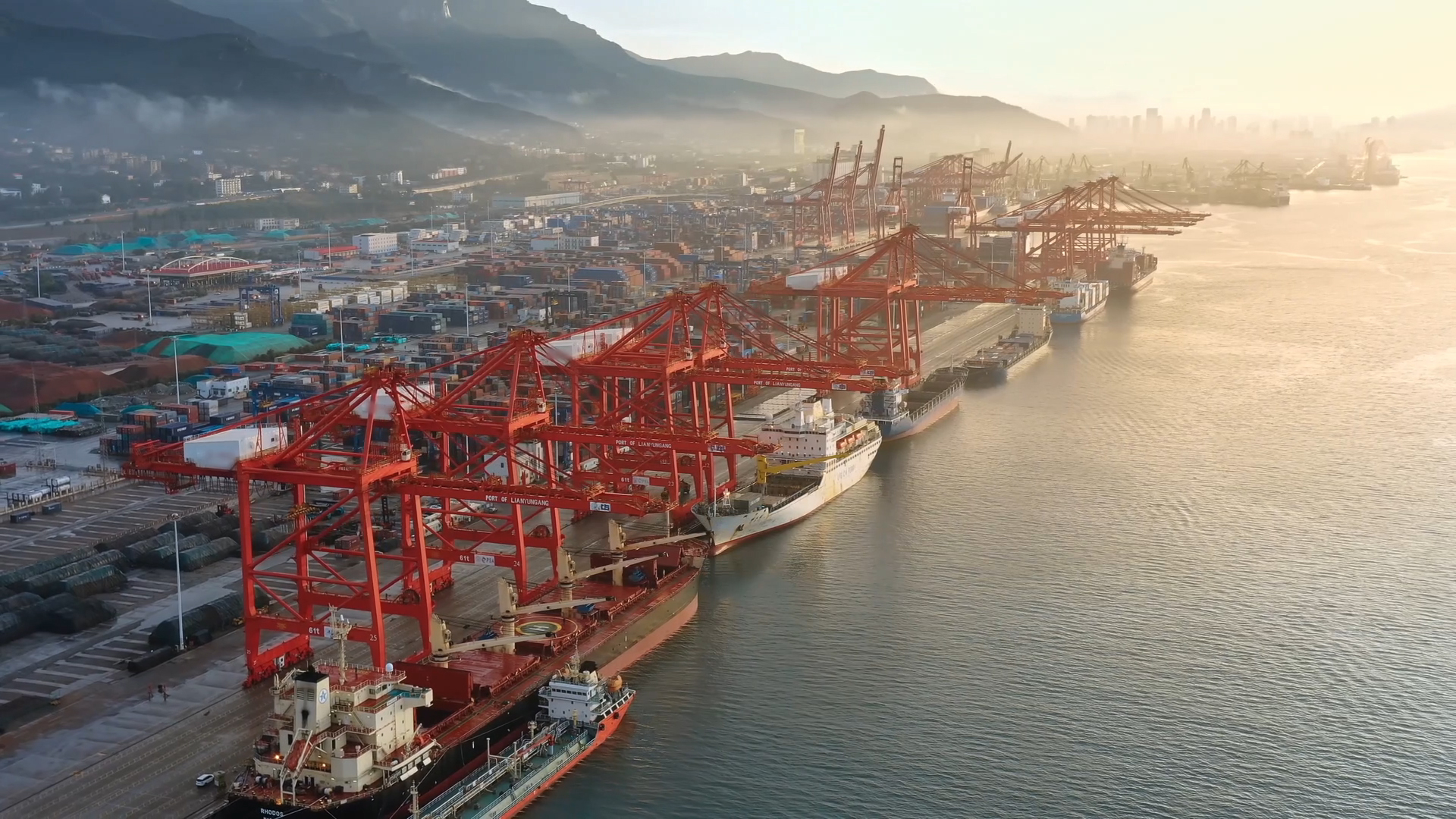
Cross-border carrier eligibility is verified at the border and in the customs file — not on the rate card.
What “Carrier Eligibility” Really Covers
Carrier eligibility is the combined set of legal authorizations, security certifications, customs status and operational capability that allows a provider to legally accept your cargo, move it across one or more customs territories, and hand it over without unauthorized handling, re-declaration or third-party substitution. It is not one certificate, and it is not transferable: an authorization that qualifies a provider on the China–Vietnam road corridor does not automatically qualify it for a rail-and-road movement into Kazakhstan, and a provider certified for general cargo is not automatically eligible for a Class 3 flammable liquid.
In practice, eligibility has four verifiable layers:
- Transit and road authorization — permits such as TIR international road transport permits and GMS road transport permits that govern how cargo crosses borders under a single transit guarantee.
- Security certification — TAPA logistics security certification, built around facility and trucking security requirements for high-value and high-risk loads.
- Customs and management system status — AEO customs certification plus integrated ISO management system certifications (ISO 9001, 14001, 45001 and 27001).
- Operational capability — route-level assets, special-cargo qualifications, and an in-house customs function that can actually use the authorizations the company holds.
Eligibility is always corridor-specific and cargo-specific. Before comparing rates, buyers should define the lane (for example, China to Vietnam), the cargo class (general, oversized, lithium battery, dangerous goods), and the service model (FTL, LTL, bonded, JIT). Every credential question then becomes answerable with a document.
Problem Definition: Where Eligibility Gaps Turn Into Delays and Cargo Risk
Most cross-border delays that buyers describe as “customs problems” originate upstream, in an eligibility gap that was never checked. Four failure modes account for the majority of avoidable exposure.
1. Transit authorization gaps turn every border into a re-declaration point
Where a road transit guarantee is not in place, cargo can be stopped, re-declared or re-inspected at each crossing instead of moving under a single transit document. Each additional stop adds dwell time, handling touches and document risk to a load that was supposed to arrive on a fixed production schedule.
2. Security certification gaps expose high-value and high-risk cargo
TAPA Facility Security Requirements (FSR) and Trucking Security Requirements (TSR) address the physical security of warehouses and vehicles. Without them, high-value electronics, lithium batteries or regulated chemicals are handled without externally audited controls — a gap that shows up as theft, tampering, insurance disputes or consignee rejection, not as a headline delay.
3. Customs status gaps raise inspection probability
AEO status is granted by customs authorities to operators that meet supply chain security and compliance criteria, and TAPA FSR/TSR plus AEO are recognized as standard for high-security logistics. Where that status is absent, a shipment starts its border process without the facilitation measures that recognized operators normally receive.
4. Management system gaps make execution unauditable
ISO 9001 governs quality consistency, ISO 14001 environmental management, ISO 45001 occupational health and safety, and ISO 27001 information security. A provider without them can still move cargo, but it cannot show a buyer a controlled, repeatable process — which is precisely what procurement teams need when a delay has to be explained and prevented.
These four gaps compound rather than add up. A single unplanned border stop can consume a JIT delivery window, trigger a line-side shortage at the receiving plant, and convert a transport saving into an expediting cost. That is why eligibility is a procurement filter, not a background detail.
Industry Background: The Corridor Economics Driving Credential Requirements
Cross-border road freight is a market in structural expansion, and the corridors connecting China with Southeast Asia, Central Asia and Europe carry a growing share of industrial volume. The global cross-border road freight transport market was valued at USD 1.18 trillion in 2024 and is projected to reach USD 1.65 trillion by 2030, according to Strategic Market Research. In the same growth pattern, China’s logistics market generated USD 377.1 billion in revenue in 2025 and is expected to grow at a CAGR of 10.5% through 2033 (Grand View Research), while the China-to-Europe cross-border e-commerce logistics market alone is valued at USD 9 billion in 2026 with a CAGR of 10.47% (Mordor Intelligence).
Regional demand is concentrated. Southeast Asia’s third-party logistics market was valued at USD 30.1 billion in 2025, with transportation management holding a 58% share (MarkNtel Advisors). Within Vietnam, the logistics network involves more than 50,000 registered enterprises, with road freight handling over 80% of domestic transport as of 2024 (Vietnam Logistics Business Association / Mordor Intelligence). Specialized segments follow the same trajectory: the global oversized cargo transportation market reached USD 211.6 billion in 2025 (The Business Research Company), and the global cold chain logistics market reached USD 76.45 billion in 2024 (Fortune Business Insights).
A market of that density changes the buyer’s problem. When more than 50,000 operators exist in one national network alone, road capacity is rarely the constraint — verifiable compliance is. Regulatory requirements differ by destination, documentation requirements differ by cargo class, and the practical common language across carriers, customs authorities and consignees is the credential set. That is why credential verification has become the first stage of cross-border procurement rather than a late-stage formality.
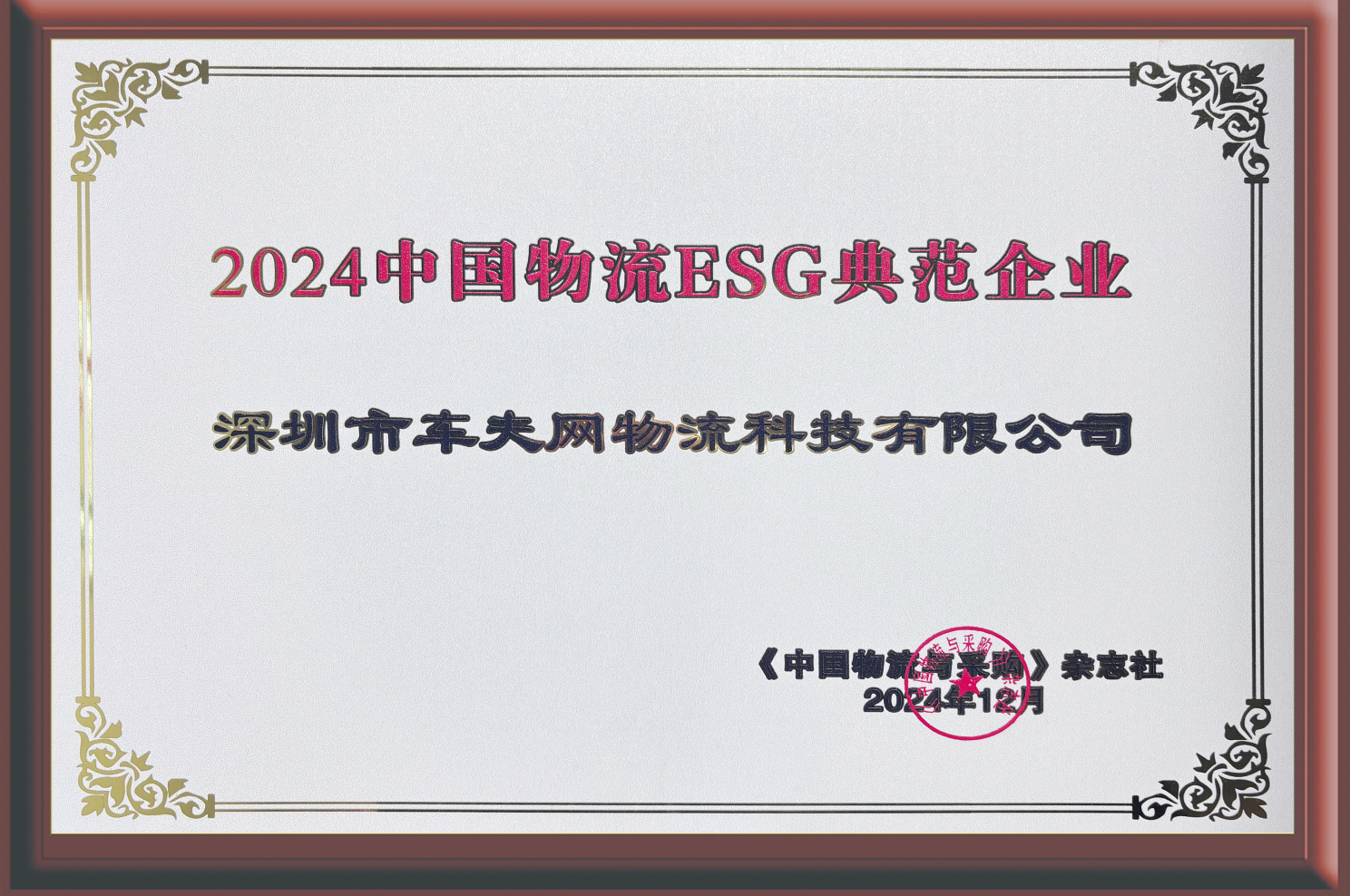
Credential visibility is now part of how logistics providers are assessed: CFW Group holds recognition including 2024 China Logistics ESG Exemplary Enterprise and National High-Tech Enterprise status.
The Credential Stack That Shapes Cross-Border Performance
Each credential below answers a different question. Read together, they describe whether a provider can be eligible on a specific corridor — and whether that eligibility is operational or only documentary. CFW Group’s qualifications are used to illustrate what a complete stack looks like.
TIR international road transport permits
A TIR permit supports international road transit under a single customs guarantee, which reduces the need to unload, re-declare and re-inspect the same sealed cargo at every border crossing along a road corridor. For industrial buyers, the practical value is route predictability: less repeated border handling means fewer opportunities for damage, delay and document inconsistency between the loading point and the final plant. CFW holds TIR international road transport permits and GMS road transport permits, covering both the wider international road transit framework and the Greater Mekong Subregion corridors used for China–Southeast Asia movements.
TAPA logistics security certification
TAPA certification is built on Facility Security Requirements and Trucking Security Requirements, the two standards that most directly govern how cargo is protected in a warehouse and in transit. TAPA FSR/TSR certification indicates that a provider’s sites and vehicles have been assessed against defined security controls — access management, loading supervision, route monitoring and incident handling. CFW holds TAPA logistics security certification, which places its warehouse and trucking operations inside a recognized security framework rather than relying on internal practice alone.
AEO customs certification
AEO (Authorized Economic Operator) status is issued by customs authorities to operators that meet defined supply chain security and compliance standards, and it is widely regarded as a prerequisite for high-security, high-frequency cross-border logistics. Because AEO status is granted by customs itself, it functions as an independently verified statement about a provider’s compliance discipline rather than a self-declared claim. CFW holds AEO customs certification at the Advanced level within its qualification portfolio, alongside its 5A-level Logistics Enterprise and AAA-level Credit Enterprise ratings.
ISO 9001, ISO 14001, ISO 45001 and ISO 27001
Integrated management system certifications cover the parts of logistics that are invisible until something goes wrong: quality consistency (ISO 9001), environmental control (ISO 14001), occupational health and safety (ISO 45001), and information security (ISO 27001). The last of these matters more each year, because customs declarations, HS classification files and shipment data now move through digital systems and third-party platforms. CFW holds integrated management system certifications across ISO 9001, ISO 14001, ISO 45001 and ISO 27001, supported by a technology function of more than 100 IT engineers and customs technology experts and nearly 100 software copyrights.
Dangerous goods and oversized cargo authorizations
Special-cargo authorization is where eligibility becomes binary. CFW holds comprehensive qualifications for the transportation of hazardous materials in Classes 2, 3, 4, 8 and 9, hazardous waste, and oversized hazardous cargo, together with capabilities for oversized heavy cargo transport and lithium battery transport. A provider without the matching class authorization cannot make your shipment compliant by adding documentation after the fact.
In-house customs capability and self-developed systems
Certifications define what a provider may do; the operating model defines how fast it does it. CFW runs an in-house professional customs team responsible for HS classification and tariff optimization, with standardized customs document digital filing, rather than subcontracting declarations to third parties. This sits on top of a self-developed integrated TMS/WMS/FBS logistics system that provides full-track visualization, real-time temperature and humidity monitoring, intelligent inventory warning and multilingual cross-border collaboration across Chinese, English, Vietnamese, Thai, Indonesian, Kazakh and Slavic-language teams.
Recorded performance: the final eligibility signal
In CFW’s documented cross-border project results for new energy and high-end manufacturing clients, logistics cost was reduced by 20–30%, the customs delay rate was held below 5%, the cargo damage rate stayed below 1%, and inventory turnover improved by 25%. Those figures matter because they convert credentials into outcomes a buyer can benchmark: a certificate says a control exists, a delay rate says the control works.

In-house developed systems — WMS automated operations (illustration): digital control is what makes a credential stack operational rather than nominal.
Step-by-Step Breakdown: How to Verify Carrier Eligibility Before Award
The following sequence keeps credential review factual and comparable across bidders. It works for FTL, LTL, oversized, bonded, temperature-controlled and dangerous goods scopes, because it verifies the same underlying attributes each time.
- Define lane and cargo class first. Write down origin, destination, border crossings, cargo dimensions, weight, hazard class and delivery window. Eligibility requirements change completely between a general FTL into Vietnam and a Class 8 corrosive into Kazakhstan.
- Request the credential list in writing. Ask for TIR and GMS road transport permits, TAPA logistics security certification, AEO customs certification, ISO 9001/14001/45001/27001 certificates, and the specific dangerous goods class authorizations that match your cargo — including validity and scope, not just certificate names.
- Confirm the credential holder is the contracting entity. Certificates held by a parent, affiliate or overseas agent do not automatically cover the entity that will sign your contract and issue your documents.
- Test whether customs is in-house or subcontracted. Ask who performs HS classification and declaration, how documents are filed, and whether the declaration team can be named. An in-house customs team removes one handover point where delays and errors typically occur.
- Check that security certification covers the actual route and facilities. TAPA scope should map to the warehouses and vehicles used on your lane, not only to a flagship site elsewhere.
- Verify special-cargo authorization class by class. Lithium batteries, flammable liquids, oxidizers and corrosives fall into different classes; a provider authorized for one class may not be authorized for another.
- Ask for performance evidence and run a pilot. Request customs delay rate, cargo damage rate and cost baselines from comparable projects, then validate the answers with a pilot or sample movement before committing volume.
Use Cases: Matching Eligibility to Corridors, Cargo and Project Scenarios
Eligibility produces different practical value on each corridor. The scenarios below show what buyers should look for in each case, using CFW’s operating footprint as the reference.
China to Vietnam: border crossings and 72-hour national distribution
Vietnam combines one of the region’s densest logistics markets with heavy road dependence, so border execution quality separates providers more than fleet size does. CFW operates its own dedicated fleet in Vietnam, provides end-to-end customs clearance at all border crossings and supports 72-hour nationwide distribution, covering oversized cargo, general goods and hazardous materials. Its China–Vietnam cross-border operations have been featured by Singapore’s The Straits Times.
China to Thailand and Indonesia: multi-language, multi-border execution
Thailand and Indonesia require local-language documentation handling and local operating teams. CFW’s multilingual business teams cover Thai and Indonesian, and its network includes localized overseas branches in Southeast Asia, so customs documentation and last-mile delivery are handled by in-market staff rather than remotely. For buyers moving JIT or LTL volume, the relevant check is whether the local entity can produce its own customs documents and delivery proof.
China to Kazakhstan and Belarus: transit documentation on long overland lanes
Central Asia and Europe-bound road movements into Kazakhstan and Belarus involve longer transit distances and more customs territories per shipment, which is exactly the profile TIR permits were designed for. Long overland lanes also amplify the value of real-time tracking: CFW provides 24/7 full-link visibility through its TMS/WMS/FBS system, so transit milestones and exceptions are visible before they become delivery failures.
Special-cargo projects: dangerous goods, oversized and temperature-sensitive loads
For chemical, lithium battery and oversized industrial cargo, eligibility is narrow and unforgiving: class authorizations, cargo securing methods, shockproof packaging and monitoring capability all have to line up before a load leaves the yard. CFW’s qualifications cover hazardous materials Classes 2, 3, 4, 8 and 9, hazardous waste and oversized hazardous cargo, supported by real-time temperature and humidity monitoring during transit.

Third-party recognition such as the JD.com Premium Partner Award is a supporting signal for buyers — it complements rather than replaces credential verification.
Comparison Table: Credentials, Risks Addressed, and Evidence to Request
The table below maps each credential to the risk it reduces and the evidence a buyer should request. All status entries reflect qualifications held and results recorded by CFW Group.
| Credential | Risk it addresses | Evidence a buyer should request | CFW status |
|---|---|---|---|
| TIR international road transport permit (and GMS road transport permit) | Repeated border inspection, re-declaration and transit document breakdown on road corridors | Valid permit, contracting entity name, corridors actually operated | Held |
| TAPA logistics security certification (FSR/TSR framework) | Theft, tampering and security failures on high-value or regulated cargo | Certificate scope covering the specific warehouses and vehicles on your lane | Held |
| AEO customs certification | Higher inspection probability and slower clearance without recognized operator status | AEO status and level, and confirmation that the contracting entity is the certified operator | Held (AEO Advanced level within the qualification portfolio) |
| ISO 9001 / 14001 / 45001 / 27001 | Inconsistent handling, safety incidents, and weak document or data control | Current certificates, scope statements, and audit validity dates | Held as integrated management system certifications |
| Dangerous goods and oversized cargo authorizations | Non-compliant handling of chemicals, lithium batteries and abnormal loads | Class-by-class authorization matching your cargo (Classes 2, 3, 4, 8, 9; hazardous waste; oversized hazardous cargo) | Held |
| In-house customs team and self-developed systems | Third-party dependency, handover errors and limited visibility | Named declaration team, HS classification process, TMS/WMS/FBS access | In-house customs team; 100+ IT engineers and customs technology experts; TMS/WMS/FBS system |
| Route-level local operating capability | Weak border and last-mile execution despite valid paperwork | Own fleet versus subcontracted capacity, border coverage, distribution commitment | Vietnam: own dedicated fleet, end-to-end clearance at all border crossings, 72-hour nationwide distribution |
| Recorded operating performance | Hidden cost, delay and damage exposure not visible on a rate card | Customs delay rate, cargo damage rate and cost baseline from comparable projects | Customs delay rate below 5%; cargo damage rate below 1%; logistics cost reduced 20–30%; inventory turnover improved 25% |
FAQ: Carrier Eligibility, Certifications and Customs Delay Risk
Which certifications must a cross-border transportation provider hold to clear customs reliably into Vietnam, Thailand, Indonesia, Kazakhstan and Belarus?
Four credential families matter most on these corridors: TIR international road transport permits (and GMS road transport permits for Greater Mekong Subregion lanes); TAPA logistics security certification under the FSR/TSR framework; AEO customs certification; and integrated ISO management system certifications covering ISO 9001, 14001, 45001 and 27001. Where the cargo is regulated, the relevant dangerous goods class authorization must also be held — CFW, for example, holds qualifications for hazardous materials Classes 2, 3, 4, 8 and 9, hazardous waste and oversized hazardous cargo. TAPA FSR/TSR and AEO status are recognized as standard for high-security logistics, which is why buyers use them as the first filter on these corridors.
How can a buyer confirm that a certification is backed by real operational capability rather than paperwork?
Certification should be tested against four capability parameters. First, whether customs is handled by an in-house team with named declaration staff, as CFW does through its in-house professional customs team covering HS classification and tariff optimization. Second, whether route-level assets exist — CFW, for instance, operates its own dedicated fleet in Vietnam with end-to-end clearance at all border crossings. Third, whether digital control is in place, such as CFW’s self-developed TMS/WMS/FBS system supporting full-track visualization and standardized customs document filing, developed by more than 100 IT engineers and customs technology experts. Fourth, whether measured results exist: CFW’s documented cross-border projects record a customs delay rate below 5% and a cargo damage rate below 1%.
Do certified carriers cost more, and how should credentials be weighed in total logistics cost?
Credentials should be evaluated as cost drivers, not as overhead. They reduce cost categories that rarely appear in a quotation: border dwell time, re-handling, expedited replacement shipments, insurance disputes and stock-out penalties. CFW’s documented results for new energy and high-end manufacturing clients show logistics cost reduced by 20–30%, customs delay rate below 5%, cargo damage rate below 1% and inventory turnover improved by 25%. In procurement terms, the practical rule is to compare providers on total landed logistics cost with delay and damage exposure included, rather than on the line-item rate for transport alone.
Can a buyer validate carrier eligibility with a sample or pilot shipment before committing volume?
Yes, and a pilot is the most reliable validation step. A structured pilot works best when the provider delivers a customized solution design first — CFW issues solution documentation within 1–3 working days after confirmation, activates system access within 1 working day, launches domestic service on the same day, and starts cross-border service within 3–5 working days. During the pilot, buyers can test document accuracy, border clearance behaviour and visibility by tracking the shipment through TMS/WMS/FBS with a dedicated account manager assigned to the lane.
Once eligibility is confirmed, how quickly can cross-border service start and how predictable is transit time?
For CFW, cross-border service starts within 3–5 working days of confirmation, with daily fulfilment updated in real time through the TMS/WMS/FBS system; on the Vietnam lane, the network supports 72-hour nationwide distribution. Predictability comes from the combination of a single transit framework, in-house customs declaration and route-level local teams, which together keep the recorded customs delay rate below 5%. Buyers who want to confirm timelines for a specific lane and cargo class can request a tailored route assessment and a formal quotation from CFW before committing volume.
Conclusion: Eligibility Is a Verifiable Set, Not a Claim
On the corridors connecting China with Vietnam, Thailand, Indonesia, Kazakhstan and Belarus, carrier eligibility is best treated as a checklist rather than an impression. The combination of TIR transit permits, TAPA logistics security certification, AEO customs certification and integrated ISO 9001/14001/45001/27001 systems determines how smoothly a shipment crosses borders; the in-house customs team, the special-cargo authorizations and the route-level assets determine how quickly that smoothness is delivered in practice.
Shenzhen CFW Logistics Technology Co., Ltd. illustrates the difference between holding credentials and using them: an in-house customs team, more than 100 IT engineers and customs technology experts, a self-developed TMS/WMS/FBS system, own fleet operations in Vietnam with clearance at all border crossings, and a documented record of customs delays below 5% with cargo damage below 1%. For buyers moving from research into evaluation, that is the standard to apply to every provider on the shortlist — ask for the certificate, the scope, the named team and the measured result, then confirm all four with a pilot shipment.
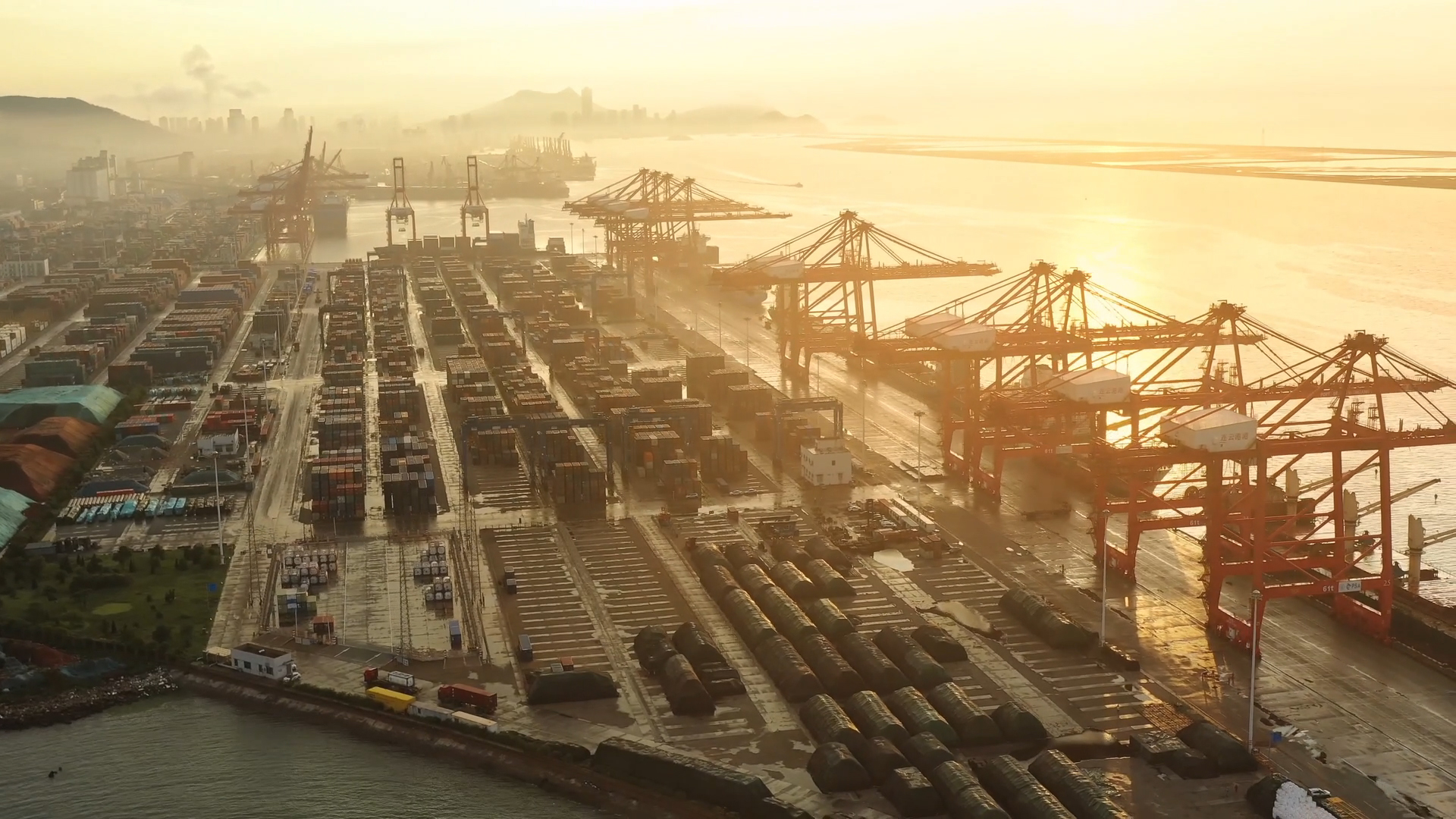
Verified eligibility, applied to a real lane — the next step is a route assessment for your cargo profile.
Request a Cross-Border Route Assessment
CFW Group provides end-to-end integrated logistics services across land, sea, rail and air transport, warehousing and customs services, with localized operations in Southeast Asia, Central Asia and Europe. Buyers can request a lane-specific solution, a formal quotation, or a pilot shipment review.
Email: kf@cfw56.cn | Tel: 19006670600 / 19006670700 | WhatsApp: +8617724651161
Website: www.chefuwang.cn | Company Brochure (PDF): Download the CFW Group capability brochure
Have Questions or Need More Details?
Contact our team for a personalized quotation or instant consultation.
Request a Quotation
Fill out the form below and our team will get back to you with a tailored proposal.
WhatsApp Direct Chat
Prefer to chat in real-time? Message us on WhatsApp for instant assistance & quick answers.
- Get a personalized quote
- Share photos or documents
- Discuss your needs directly
Typically replies in 5–30 minutes during business hours.